Using toilets in India
In Indian cities, try malls, hotels, airports and stations, look for pay-and-use toilets such as those run by Sulabh International, and search Google Maps, which has listed tens of thousands of public toilets in India since 2019. Carry tissues, hand gel and small change. For the toilets in each city, see public toilets in India.
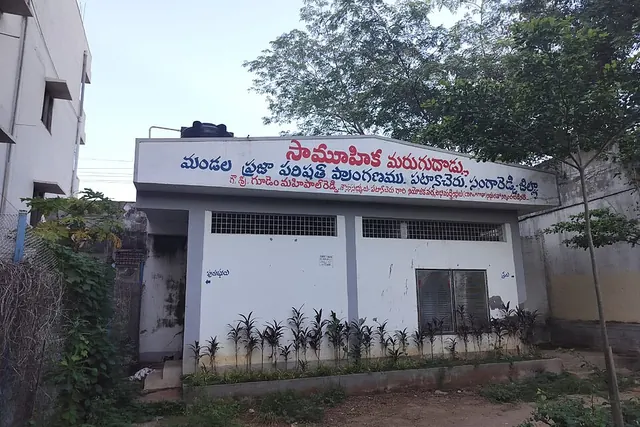
What to expect
Standards vary from place to place, so it helps to know where to look and to carry a few things with you. This guide sticks to practical tips; check local information for the places you are visiting.
Squat and western toilets
You may find squat toilets, set into the floor, as well as Western-style toilets. Sulabh International's pour-flush toilet, for example, has a squatting pan set on the floor, with footrests. If you use a squat toilet, keep your clothes clear of the floor. If you have knee, hip or balance problems, look for a Western-style toilet, and ask at airports and stations whether there is an accessible toilet.
For step-by-step help, read how to use a squat toilet.
Water, paper and the bin
You may find a hand-held water spray, or a tap with a jug, for washing instead of paper. Carry your own paper if you prefer it. If there is a bin beside the toilet and a sign asking you not to flush paper, use the bin.
Afterwards, wash your hands with soap and clean water. Carry hand gel for when there is nowhere to wash.
Flushing without a cistern
Some toilets have no cistern to flush. A pour-flush toilet is flushed by pouring water into the pan: use the jug if there is one. Sulabh International, whose founder invented its two-pit pour-flush toilet in 1968, says the design needs only 1.5 to 2 litres of water a time, against 10 to 12 litres for a cistern flush.
Where to look
- Shopping malls.
- Hotels: ask at reception.
- Coffee chains and fast-food restaurants: buy something, as the toilets may be for customers.
- Airports.
- Metro and railway stations.
- Petrol stations on main roads.
- Museums and monuments, near the entrance.
Pay-and-use toilets
At a pay-and-use toilet you pay a charge to use it. Sulabh International, founded in 1970 by Dr Bindeshwar Pathak, introduced pay-and-use public toilets in India in 1974, and its website now lists more than 10,700 public toilet complexes. Keep small notes and coins ready.
On trains, buses and roads
Before a long train or bus journey, use the toilet at the station or bus stand, and carry paper and hand gel. On road trips, plan stops at malls, chain restaurants and large petrol stations in towns along the way.
For women
Carry sanitary supplies, as they may not be provided, and use the bin rather than the toilet. If you are travelling alone, plan your stops in advance, especially at night, and choose busy, well-lit places such as malls, hotels and airports.
How things are changing
Public sanitation is a cornerstone of the Government of India's Swachh Bharat (Clean India) campaign. In 2016 Google began working with the Swachh Bharat Mission and the Ministry of Housing and Urban Affairs to add public toilets to Google Maps, and on 2 October 2019 it said the maps covered more than 57,000 public toilets in over 2,300 Indian cities.
Our city pages
Our India city pages list the public toilets that OpenStreetMap volunteers have mapped near each city centre. Coverage varies, so treat these as a starting point and add malls, hotels and stations to your plan.
| City | Toilets mapped | Tagged free | Wheelchair accessible | Snapshot |
|---|---|---|---|---|
| Mumbai | 165 | 19 | 13 | 17 November 2026 |
What to carry
- A pack of tissues or a small roll of toilet paper.
- Hand gel and a small bar of soap or soap sheets.
- Small notes and coins for pay-and-use toilets.
- Wet wipes, and a bag to take used ones away if there is no bin.
- Sealed bottled water, which TravelHealthPro says may be safer than tap water. Do not drink untreated tap water or brush your teeth with it.
For general advice on staying healthy in public toilets anywhere, read whether you can catch anything from a toilet seat.
Useful words
In Hindi, a toilet is शौचालय (śaucālay). Signs may also be in English or in the local language. For the word for toilet in other countries, see the word for toilet around the world.
Finding toilets on a map
Google says it added more than 57,000 public toilets in over 2,300 Indian cities to Google Maps in 2019, so try searching for "public toilets near me". Our India city pages use OpenStreetMap, whose coverage varies from area to area. In rural areas, plan to use toilets at restaurants, hotels and fuel stations on main roads.
Staying healthy
- Wash your hands with soap and clean water after using the toilet, and use hand gel when you cannot.
- Carry a small pack of tissues or toilet paper, and put used paper in the bin if a sign asks you to.
- Keep drinking enough, even when you are worried about finding a toilet, and choose sealed bottled water if you are unsure about the tap water.
Common questions
Are public toilets free in India?
Some are free and some charge. Sulabh International, which introduced pay-and-use public toilets in India in 1974, lists more than 10,700 public toilet complexes on its website. Carry small notes and coins.
Should I carry toilet paper in India?
Yes. Carry tissues or a small roll of toilet paper in case there is none, along with hand gel for when there is nowhere to wash your hands.
What is a health faucet?
A hand-held water spray next to the toilet, used to wash instead of, or as well as, using paper.
How do I flush a toilet with no cistern?
Pour water into the pan, for example from the jug beside it. These are pour-flush toilets: Sulabh International says its pour-flush design needs only 1.5 to 2 litres of water a time, against 10 to 12 litres for a cistern flush.
How do I find a public toilet in an Indian city?
Search Google Maps for public toilets near you. In October 2019, Google said it had added more than 57,000 public toilets in over 2,300 Indian cities to Maps, working with the Ministry of Housing and Urban Affairs. Malls, hotels, airports and stations are also worth trying.